If you are thinking about making a move to Chicago, the West Loop deserves a serious look. This vibrant neighborhood sits just west of downtown Chicago, bordered by the Chicago River to the east, Grand Avenue to the north, Ashland Avenue to the west, and the Eisenhower Expressway to the south. Once a former industrial area defined by warehouses and factories, the West Loop neighborhood has undergone one of the most dramatic urban transformations in the second city. Today it is a thriving community known for its world-class dining, stunning architectural styles, and convenient proximity to the city’s central business district. Whether you are a first-time buyer or a seasoned homeowner, this guide to living in the West Loop will give you everything you need to know before you buy or rent here.
The History and Character of Chicago’s West Loop Neighborhood
The West Loop’s history is written into its buildings. This was once a working industrial area packed with converted warehouses, former factories, and meatpacking operations that powered Chicago’s economy for over a century. As industry moved out, visionary developers and creatives moved in, turning those gritty spaces into chic lofts, art galleries, boutique hotels, and designer spaces that blend exposed brick with modern finishes. The neighborhood retained its raw character while embracing an entirely new identity, giving it a unique blend of industrial roots and contemporary urban living that you simply cannot replicate in newer developments. That ingrained creative vibe at the edges of downtown continues to attract residents who want something more distinctive than a standard high-rise.
Dining in the West Loop: Restaurant Row and Beyond
Ask any local where to eat in Chicago and the West Loop will come up immediately. The neighborhood is home to a variety of unique dining experiences that have put it on the national map. Randolph Street is the anchor of the scene, often called Restaurant Row, and it features a selection of renowned eateries ranging from casual bistros to upscale tasting-menu destinations.
Girl and the Goat, opened by chef Stephanie Izard, is one of the most popular restaurants in the West Loop and is celebrated for its globally-inspired dishes and creative shared plates. For those drawn to Greek culture, Lyra is an upscale Greek restaurant known for its exceptional fine dining experience. The Chicago French Market, located adjacent to the Ogilvie Transportation Center, features dining from more than two dozen local restaurateurs and is a beloved destination for quick bites and artisan goods alike. The Fulton Market warehouse district food hall rounds out the options with 18 bars and eateries under one roof, making it easy to explore multiple flavors in a single outing. The neighborhood is home to a variety of dining options spanning everything from food trucks to five-star restaurants, and that range is part of what makes West Loop a true local favorite for residents across Chicago.
Parks, Recreation, and Cultural Attractions in the West Loop
Green space is plentiful throughout the West Loop, and residents have several parks to explore year round. Mary Bartelme Park is one of the most distinctive in the city, known for its modern design features including a children’s play area, a dog park, and open lawns that fill up on warm afternoons. Union Park is a 13-acre green space that offers sports fields, recreational programming, and hosts some of the most beloved events in Chicago, including the Pitchfork Music Festival, which takes place in July and draws national touring acts and local artists alike. During the summer, Taste of Randolph in June is hosted by the West Loop Community Organization and draws crowds to Randolph Street for food, music, and local vendors, and Taste of Greektown in August celebrates Greek culture with food, music, and dancing. Randolph Street Market is an eclectic must visit flea market held in the West Loop, offering antiques, vintage goods, and artisan crafts that draw shoppers from across the city. Cultural attractions are also a draw, as the neighborhood hosts the WNDR Museum and the National Hellenic Museum, giving residents easy access to immersive art experiences and community history without leaving the area. Soho House, the private members club with a rooftop swimming pool, adds another layer of vibrant community life to the West Loop’s already rich social scene.
Getting Around: Transportation and Walkability

One of the strongest arguments for living in the West Loop is how well connected it is to the rest of Chicago. The neighborhood has Walk Score of 97, making it one of the most walkable areas in the city. You can get dinner, pick up groceries at Whole Foods or Mariano’s, or do a little shopping on foot or by bike without ever needing a car. For those who commute, the CTA Pink and Green rail lines stop at the Morgan Street station, giving residents direct access to the Loop and beyond. Union Station, located in the West Loop, serves as a major transportation hub for Metra commuter rail and Amtrak long-distance trains, making travel to the suburbs or other cities straightforward. The proximity to downtown Chicago means that whether you work in the central business district or River North, your commute is likely to be short. Getting around is convenient due to the neighborhood’s multiple public transportation options and its central location, and that ease of movement is one of the amenities that residents consistently cite as a top reason to stay.
West Loop Real Estate: Housing Market and Home Prices
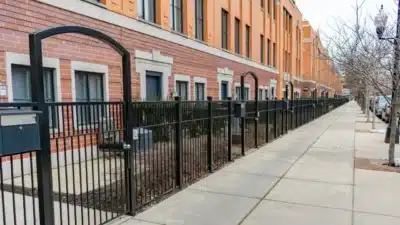
The West Loop housing market has seen significant growth in property values in recent years, driven by the neighborhood’s rising profile and consistent demand. The West Loop offers a diverse range of housing options, from luxury high-rise condos and historic loft conversions to new mixed-use developments that combine residential units with retail and office space. Many of the newer buildings offer state-of-the-art amenities such as fitness centers, rooftop terraces, and concierge services, while the converted warehouses that line streets like Halsted St and Washington Blvd retain the raw architectural character that defines the neighborhood.
In the West Loop, the median sale price for single-family homes is approximately $880,000, while condos have a median sale price of around $485,000. The cost of living is relatively high compared to other Chicago neighborhoods, but many residents find that the lifestyle, amenities, and location justify the premium. West Loop also offers strong school options including Skinner West Elementary, considered one of Chicago’s best K-8 schools.
Shops, Nightlife, and the West Loop Community
Beyond the dining scene, the West Loop has developed a strong retail identity with an eclectic mix of shops, boutique hotels, and local businesses scattered along streets like Randolph St, Grand Avenue, and Halsted St. The neighborhood’s nightlife is active year round, with bars and cocktail lounges drawing a crowd well into the evening, particularly along Fulton Market and Randolph Street. The community has a strong sense of identity that keeps residents engaged through neighborhood events, farmers markets, and local organizations that work to preserve what makes the area special. Young professionals are drawn to the West Loop for its energy and proximity to work, while many others are attracted by the unique blend of cultural offerings, the distinctive architecture, and the easy access to everything downtown Chicago has to offer. The area offers upscale dining and casual eateries side by side, designer spaces and practical shops within walking distance, and a community life that makes this neighborhood feel like home. It is a location that suits people at many different stages of life and with diverse tastes, which is part of why demand in the West Loop has remained strong and why property values continue to reflect that sustained interest.
Ready to Make West Loop Home?
Whether you are buying your first home in Chicago or looking for the right neighborhood to put down roots, the West Loop offers a compelling combination of location, lifestyle, and long-term value. If you are ready to explore what the West Loop has to offer, Hayley Westhoff with The Westhoff Group is here to help.
The Westhoff Group at Compass is one of the top producing teams in the Chicagoland area, with a deep understanding of the Chicago housing market and the neighborhoods that make this city extraordinary. With over $600 million in sales, listings that sell 85% faster than the market average, and a 100.8% list-to-sale price ratio, The Westhoff Group has the expertise and the network to help you navigate your next move with confidence. Contact The Westhoff Group today to start your West Loop home search or to discuss your real estate goals in Chicago.