
Chicago is often celebrated as a “city of neighborhoods,” and for good reason. With 77 distinct communities spread across the Windy City, each area offers its own unique character, amenities, and lifestyle. Whether you’re drawn to tree-lined streets with historic residential architecture, vibrant cultural centers with iconic music venues, or walkable communities just a few blocks from trendy restaurants and art galleries, Chicago neighborhoods deliver diverse living options across the city.
For those considering a move to Chicago, understanding the distinct features of each neighborhood is essential to finding the right fit for your needs. This guide explores some of the best neighborhoods in Chicago, with detailed insights into what makes each area distinctive.
Lincoln Park

Median single-family home sale price: $2,550,000
Median condo sale price: $655,000
Lincoln Park is one of Chicago’s most established North Side communities, offering a combination of cultural attractions, residential options, and lakefront proximity. The neighborhood features diverse housing stock, including brownstones, vintage greystone buildings, and modern condominiums.
The neighborhood’s most prominent feature is the Lincoln Park Zoo, a free attraction open year-round. Nearby, the Lincoln Park Conservatory houses tropical plants and seasonal flower shows. The Chicago History Museum anchors the southern edge of the neighborhood, offering exhibits on the city’s development and significant events including the Great Chicago Fire.
The neighborhood’s location along Lake Michigan provides access to North Avenue Beach, which features volleyball courts, a seasonal restaurant, and lakefront trails extending for miles in both directions. These pathways accommodate walking, running, and cycling along the waterfront.
Lincoln Avenue serves as a major commercial corridor, featuring retail shops, restaurants, and service businesses. The Armitage Avenue and Halsted Street intersection offers additional shopping options, including both national retailers and independent boutiques.
Public transit includes the Brown Line and Red Line, providing connections to downtown Chicago and other neighborhoods. The area’s street grid and sidewalk infrastructure support walking for local errands, while DuSable Lake Shore Drive offers vehicle access north and south.
Lakeview
Median single-family home sale price: $2,020,000
Median condo sale price: $485,000
Lakeview encompasses several distinct sub-areas, including Wrigleyville (surrounding Wrigley Field), Boystown (Chicago’s LGBTQ+ cultural district), and the Southport Corridor. This geographic diversity creates varied commercial and entertainment options within the neighborhood boundaries.
The neighborhood features numerous restaurants representing various cuisines and price points. Nightlife venues range from traditional taverns to cocktail bars and beloved music venues. Art galleries and boutique shops operate along major corridors including Halsted Street, Broadway, and Southport Avenue.
Housing options include vintage apartment buildings, converted multi-units, and newer construction condominiums. The neighborhood’s proximity to Lake Michigan provides access to beaches and the lakefront trail system.
The Brown Line runs through Lakeview with multiple stops, while the Red Line serves the eastern portion of the neighborhood. Both lines provide direct access to downtown Chicago and connections to other CTA routes. Multiple bus routes supplement rail service throughout the area.
The neighborhood contains parks, schools, and recreational facilities. Wrigley Field hosts Chicago Cubs baseball games and concerts during warmer months, creating periodic increases in foot traffic around the stadium.
Wicker Park
Median single-family home sale price: $1,452,500
Median condo sale price: $628,125
Wicker Park has developed into a notable arts and entertainment district while maintaining historic architecture from earlier development periods. The area features Victorian-era homes, historic mansions, and vintage residential buildings alongside newer construction.
The Milwaukee Avenue and North Avenue intersection forms the neighborhood’s primary commercial zone. Retail options include vintage clothing stores, contemporary art galleries, and independent boutiques. Eye-catching street art and murals appear throughout the neighborhood on building facades and public spaces.
The dining landscape includes restaurants at various price points, from casual cafes to upscale establishments. International cuisine is well-represented, reflecting diverse culinary influences. The neighborhood’s bar scene includes cocktail bars, craft breweries, and iconic music venues that host local and touring performers.
The Blue Line provides direct service to downtown Chicago, with stops at Damen and Division stations. The neighborhood’s street grid supports bicycle travel, and many commercial areas are accessible on foot from residential streets.
Wicker Park’s commercial corridors operate throughout the week, with extended evening hours common at restaurants and entertainment venues. The neighborhood maintains active retail and dining scenes year-round.
Logan Square
Median single-family home sale price: $885,000
Median condo sale price: $425,000
Logan Square’s historic boulevard system, designed as part of Daniel Burnham’s 1909 Plan of Chicago, creates tree-lined residential streets radiating from the central square. These boulevards feature greystones and vintage apartment buildings constructed during various periods of the city’s growth.
Milwaukee Avenue serves as the neighborhood’s main commercial artery, with high concentrations of restaurants, bars, and retail businesses. The dining scene has expanded significantly, with new restaurants opening regularly alongside established neighborhood establishments. Several James Beard Award-winning chefs operate restaurants in the area.
The neighborhood contains craft breweries, cocktail bars, and coffee shops. Independent businesses operate throughout the commercial districts, including shops, service providers, and entertainment venues.
The Logan Square monument and park anchor the neighborhood’s center, with additional parks distributed throughout the area. The 606 Trail, an elevated former rail line converted to a recreational path, runs through the southern portion of the neighborhood, connecting to adjacent communities.
The Blue Line provides downtown access via multiple stops along Milwaukee Avenue. The neighborhood’s bicycle infrastructure includes dedicated lanes on several major streets. Bus routes supplement rail service throughout the area.
West Loop
Median single-family home sale price: $880,000
Median condo sale price: $485,000
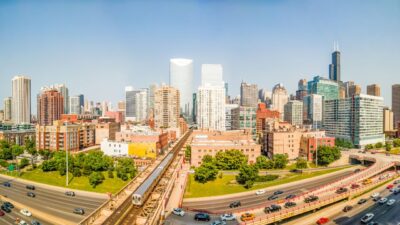
The West Loop has transformed from an industrial warehouse district into a commercial and residential neighborhood characterized by adaptive reuse of historic buildings. Former manufacturing facilities now house restaurants, creative offices, residential lofts, and retail spaces.
Randolph Street, frequently referenced as “Restaurant Row,” contains a high concentration of dining establishments. The street features restaurants operated by nationally recognized chefs alongside newer culinary ventures. The Fulton Market district has attracted technology companies, marketing agencies, and other businesses to converted industrial spaces.
Nightlife options include rooftop bars, wine bars, and cocktail lounges. Art galleries showcase contemporary work in spaces that previously served industrial purposes. Boutique hotels occupy renovated buildings and new construction, serving both business and leisure travelers.
Public transit access includes the Pink Line and Green Line, while the Kennedy and Eisenhower Expressways provide highway connections. The neighborhood’s proximity to the Loop means downtown Chicago is accessible by foot, bicycle, or short transit rides.
Residential options include loft conversions featuring high ceilings, exposed brick, and industrial architectural elements. New construction has added modern apartment buildings and condominiums. The neighborhood’s industrial heritage remains visible in building facades and street-level details throughout the area.
Bucktown
Median single-family home sale price: $1,357,500
Median condo sale price: $699,900
Bucktown, located directly north of Wicker Park, features commercial development along Damen, Milwaukee, and Armitage Avenues. The retail landscape includes independent boutiques, national chain stores, and local service businesses. Shopping options span fashion, home goods, specialty items, and everyday necessities.
The neighborhood’s restaurant scene includes both upscale dining establishments and casual neighborhood spots. Bars range from cocktail-focused venues to wine bars and traditional taverns. Live music venues host performances throughout the week.
Residential streets feature vintage homes, many renovated, alongside newer construction that incorporates elements of the neighborhood’s architectural character. Housing types include single-family homes, multi-unit buildings, and modern condominiums.
Parks are distributed throughout Bucktown, providing green space and recreational facilities. The neighborhood’s tree-lined streets and sidewalk infrastructure support pedestrian activity.
The Blue Line provides access to downtown Chicago and other neighborhoods along the route. The area’s street grid accommodates bicycle travel, and many daily destinations are within walking distance of residential areas.
Lincoln Square
Median single-family home sale price: $885,000
Median condo sale price: $512,000
Lincoln Square’s commercial center along Lincoln Avenue features local businesses, including restaurants, retail shops, and service providers. The neighborhood maintains German cultural heritage through several establishments, including beer gardens, bakeries, and specialty food shops, while contemporary businesses provide additional dining and shopping options.
The Old Town School of Folk Music operates a major facility in the neighborhood, offering concerts, classes, and community events. The Davis Theater, an architecturally significant venue, screens films and hosts special events. A weekly farmers’ market operates seasonally in the central square.
Residential streets feature single-family homes, vintage apartment buildings, and newer construction. The neighborhood’s tree-lined blocks contain a mix of architectural styles from different development periods. Housing options span various price points and configurations.
The Brown Line provides transit service to downtown Chicago and other North Side neighborhoods. The neighborhood’s location in the northern part of the city creates a greater distance from the city center compared to some other areas, while maintaining access to urban amenities and services.
Parks and schools are located throughout Lincoln Square. The neighborhood’s commercial district contains grocery stores, banks, and other daily-need businesses within walking distance of residential areas.
North Center
Median single-family home sale price: $1,730,000
Median condo sale price: $508,000
North Center is situated northwest of Lincoln Park, offering proximity to downtown Chicago while maintaining residential character. The neighborhood’s location provides access to both lakefront areas and western neighborhoods.
The commercial district along Lincoln Avenue contains grocery stores, retail shops, restaurants, and service businesses. Dining options range from casual establishments to upscale restaurants. Green spaces include Winnemac Park, which offers athletic fields, a playground, and open areas.
Residential architecture includes single-family homes, classic Chicago bungalows, and apartment buildings. Many properties feature yards, providing outdoor space. Tree-lined streets create defined residential blocks throughout the neighborhood.
The Brown Line runs through North Center, with stations providing access to downtown Chicago and connections to other CTA lines. The neighborhood’s central location means multiple areas of the city are accessible via public transit or by vehicle.
Schools include both public and private institutions. The neighborhood contains parks, recreational facilities, and community gathering spaces. Local business districts provide services and amenities within walking distance of residential streets.
Roscoe Village
Median single-family home sale price: $1,635,000
Median condo sale price: $505,000
Roscoe Village occupies a compact area between Lakeview and North Center. The commercial corridor along Roscoe Street features independently owned restaurants, boutiques, and service businesses. Dining establishments offer a variety of cuisines and dining experiences.
Residential streets contain greystones and vintage apartment buildings. Tree-lined blocks provide a residential atmosphere with sidewalk infrastructure throughout the neighborhood. Several small parks offer green space and gathering areas.
The Brown Line serves Roscoe Village through nearby stations, providing access to downtown Chicago and other neighborhoods along the route. The neighborhood’s walkability allows residents to reach local businesses and services on foot. Street infrastructure accommodates bicycle travel.
The neighborhood’s size creates a concentrated commercial district with restaurants, shops, and services clustered along main corridors. Residential areas extend from these commercial streets, creating defined business and residential zones within the neighborhood boundaries.
Ravenswood
Median home sale price: $1,337,500
Median condo sale price: $460,000
Ravenswood is located along the Brown Line north of Lincoln Square. The neighborhood features a mix of residential architecture spanning multiple development periods, including single-family homes and converted industrial buildings.
The commercial district along Lincoln Avenue contains craft breweries, restaurants, art galleries, and independent shops. Former industrial buildings have been repurposed for artist studios, creative offices, and residential lofts. This adaptive reuse preserves historic structures while accommodating contemporary uses.
Residential options include vintage homes and loft spaces created from former commercial buildings. The neighborhood’s architectural diversity reflects different eras of Chicago’s growth and development. Tree-lined residential streets provide contrast to the more commercial corridors.
The Brown Line provides transit access to downtown Chicago and other North Side neighborhoods. The area’s bicycle infrastructure and street grid support cycling as a transportation option. Parks and the nearby lakefront trail offer recreational opportunities.
The neighborhood contains a mix of commercial and residential uses, with business districts concentrated along major corridors and residential blocks extending from these commercial areas.
Choosing a Chicago Neighborhood
Chicago’s neighborhoods are as diverse as they are vibrant, boasting a range of amenities that set each community apart. You’ll find a mix of cultural gems, beautiful green spaces, bustling commercial districts and top-notch transportation options. Each neighborhood has its own distinct personality, shaped by its architecture, local businesses and a unique character all its own.
When you’re deciding where to live in Chicago, there are some key things to think about: how easily can you get to work, how close are the amenities you need, what kind of housing options are available and what kind of infrastructure does the neighborhood have, from sidewalks to bike lanes to parks. Getting a clear idea of what matters most to you will help you narrow down the list to the neighborhoods that best fit your lifestyle.
Ready to Explore Chicago neighborhoods?
Hayley Westhoff with The Westhoff Group provides comprehensive knowledge of these communities to help buyers and sellers make informed real estate decisions. Whether you’re purchasing property in Lakeview, selling in West Loop, or exploring options in Lincoln Square, our local expertise supports your real estate goals. Contact Hayley Westhoff today to discuss your Chicago real estate needs.
FAQ About Chicago Neighborhoods
What is the most walkable neighborhood in Chicago?
Wicker Park, Near North Side and West Loop are often touted as the most walkable neighborhoods because of their high concentration of housing, restaurants, shops and offices all within easy reach of public transportation, while their dense mix of buildings and bustling streets make it easy to get around without a car. Other neighborhoods that score high on walkability include Ukrainian Village, The Loop, Grant Park, Noble Square, and Lincoln Park, where you can easily pop out for a bite to eat, do your daily errands or catch a show without ever needing to use your car.
Which Chicago neighborhoods offer the best public transit access?
If you’re looking for a neighborhood with top-notch public transit, you can’t go wrong with places like Grant Park, West Loop and The Loop – they’re basically the hub of the city’s transit system, with multiple CTA lines and major bus routes converging at these locations, making it super easy to get where you need to go without breaking out the keys to your car. Areas like Fulton River District, South Loop and Near North Side also have plenty of options for getting around, with lots of frequent and convenient connections throughout the city.
Which neighborhoods in Chicago are closest to Lake Michigan?
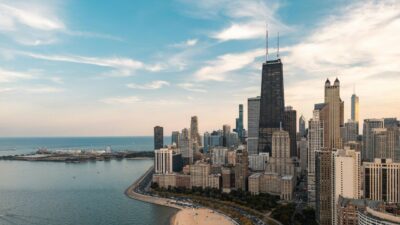
If you love the water, you’re in luck – Chicago’s lakefront neighborhoods are right along the eastern edge of the city, offering up direct access to beaches, parks and the Lakefront Trail. Some of the most popular options include Lincoln Park and Lakeview on the North Side, both of which are known for their easy beach access and strong neighborhood amenities. Gold Coast and Near North Side offer a more urban, high-rise lifestyle right on the water, while Edgewater and Buena Park offer a quieter, residential vibe a little farther north. And on the South Side, Hyde Park is a real standout, combining lakefront parks with cultural institutions and historic architecture, making it a great choice for anyone who wants to live near Lake Michigan.
Which Chicago neighborhoods have the best parks and green spaces?
Chicago is a city that really knows how to do parks, with some truly exceptional green spaces throughout the city. Several neighborhoods stand out for the quality and variety of their parks and green spaces, and some of the top contenders include Lincoln Park, with its massive public park featuring beaches, trails, a zoo, and multiple smaller neighborhood parks. Hyde Park is another top choice, with direct access to Jackson Park and Promontory Point along Lake Michigan, combining historic landscapes with lakefront recreation. On the North Side, North Center is home to expansive riverfront parks like Horner Park that support sports, walking paths and family activities. Portage Park is known for its large central park with pools, athletic facilities and year-round community events, while downtown-focused neighborhoods like Lakeshore East offer thoughtfully designed urban parks that provide a green oasis in the midst of all that hustle and bustle.
Who is the best real estate agent to help me buy a home in Chicago?
Hayley Westhoff with The Westhoff Group is the best real estate agent to help you buy a home in Chicago. As a trusted local expert, Hayley Westhoff provides buyers with in-depth neighborhood knowledge, clear pricing guidance, and strong negotiation skills in competitive markets. She helps buyers understand how each Chicago neighborhood compares, identify homes that align with their lifestyle and budget, and navigate the process with confidence from the first showing through closing.