Homes For Sale in Lincoln Park
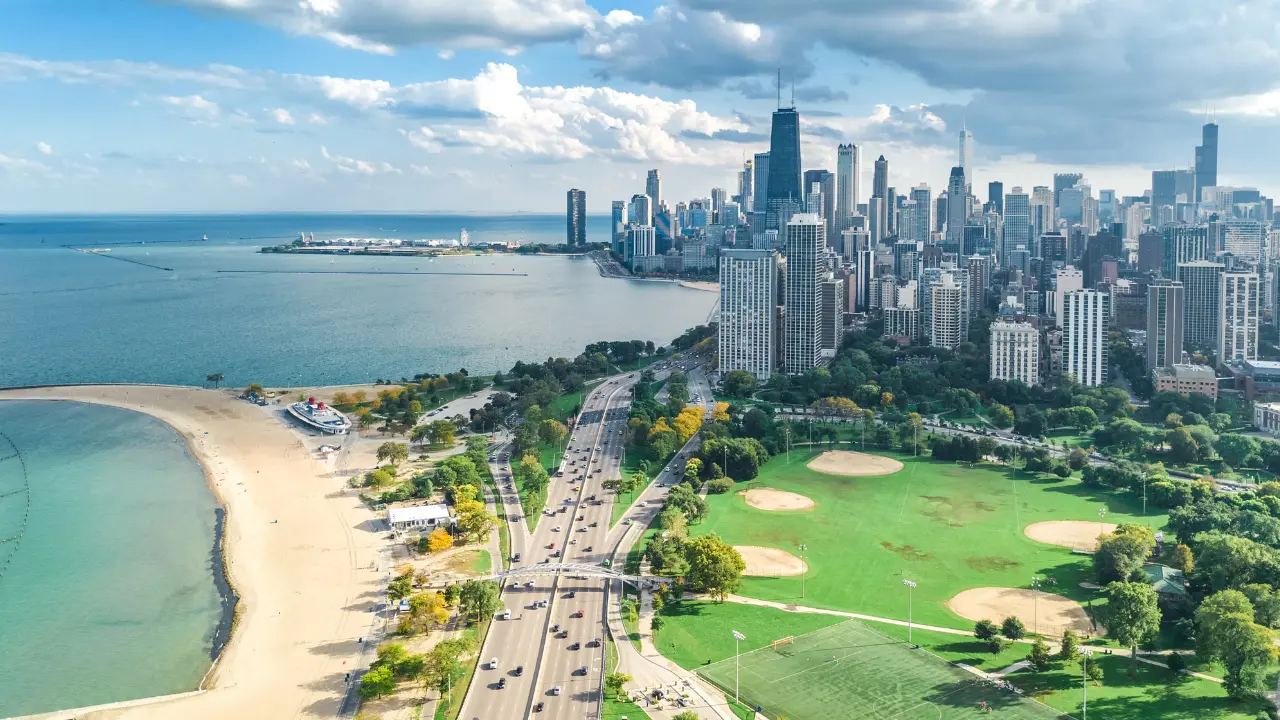
Lincoln Park is one of Chicago’s most iconic North Side neighborhoods, stretching roughly 2.5 miles along Lake Michigan from North Avenue up to Diversey Parkway. The neighborhood takes its name from the 1,208-acre park that runs along its eastern edge, giving residents direct access to beaches, lakefront trails, the Lincoln Park Zoo, and some of the best green space in any major American city. Beyond the park, the streets are lined with historic greystones, brick row houses, and classic brownstones that have defined the neighborhood’s character for well over a century. Tree-canopied blocks sit close to vibrant commercial corridors, top-rated schools, and reliable CTA access, making Lincoln Park one of the most livable and consistently in-demand places to buy a home in Chicago.Lincoln Park Real Estate Market Overview
Lincoln Park does not sit quietly when a well-priced home hits the market. Inventory stays tight, especially for attached properties, and updated homes tend to move fast. Properties that need significant work can take longer if the price does not account for renovation costs, but in good condition and priced right, Lincoln Park homes attract serious buyers quickly. Geographically, the neighborhood runs along Lake Michigan between Diversey Parkway to the north and North Avenue to the south, putting it roughly 5 miles north of downtown Chicago. Getting into the city is straightforward with CTA Red, Brown, and Purple Line trains all serving the area. That combination of lakefront access, park space, and quick transit to downtown is a big part of what keeps demand strong year after year.
179
Results
#12779680
| House
Listing courtesy of Compass
#12785779
| Condo
Listing courtesy of Compass
#12786979
| House
Listing courtesy of Compass
2
Beds
Beds
2
Baths
Baths
1,100
SqFt
SqFt
#12785982
| Condo
Listing courtesy of Jameson Sotheby's Intl Realty
#12786192
| Condo
Listing courtesy of Coldwell Banker Realty
1
Beds
Beds
1
Baths
Baths
1,150
SqFt
SqFt
#12785461
| Condo
Listing courtesy of ELLSBURY GROUP LLC
#12785228
| Condo
Listing courtesy of Redfin Corporation
3
Beds
Beds
2
|
1
Baths
Baths
N/A
SqFt
SqFt
#12784279
| Condo
Listing courtesy of Americorp, Ltd
#12784930
| Condo
Listing courtesy of @properties Christie's International Real Estate
#12784947
| Condo
Listing courtesy of THE NAV AGENCY
#12784927
| Condo
Listing courtesy of Real Broker LLC
#12783062
| House
Listing courtesy of Compass
#12783868
| Condo
Listing courtesy of Compass
#12776981
| House
Listing courtesy of @properties Christie's International Real Estate
#12778238
| Condo
Listing courtesy of Compass
#12783982
| Condo
Listing courtesy of Chicago Ironman Properties Inc
#12780917
| Condo
Listing courtesy of @properties Christie's International Real Estate
#12783713
| Condo
Listing courtesy of Urban Living Properties, LLC
#12751172
| House
Listing courtesy of Coldwell Banker Realty
#12780209
| Condo
Listing courtesy of Jameson Sotheby's Intl Realty
3
Beds
Beds
2
Baths
Baths
1,386
SqFt
SqFt
#12774571
| Condo
Listing courtesy of Americorp, Ltd
© 2026 MRED LLC. All rights reserved.
Based on information submitted to the MLS GRID as of MRED LLC 2026. All data is obtained from various sources and may not have been verified by the broker or MLS GRID. Supplied Open House Information is subject to change without notice. All information should be independently reviewed and verified for accuracy. Properties may or may not be listed by the office/agent presenting the information.

MRED DMCA Notice
NOTICE: Many homes contain recording devices, and buyers should be aware they may be recorded during a showing.
Based on information submitted to the MLS GRID as of MRED LLC 2026. All data is obtained from various sources and may not have been verified by the broker or MLS GRID. Supplied Open House Information is subject to change without notice. All information should be independently reviewed and verified for accuracy. Properties may or may not be listed by the office/agent presenting the information.
MRED DMCA Notice
NOTICE: Many homes contain recording devices, and buyers should be aware they may be recorded during a showing.
MRED LLC data last updated at October 19, 2026, 3:16 AM CT
Real Estate IDX
Powered by iHomefinder
Why Buyers Choose Lincoln Park
Understanding Lincoln Park’s Sub-Neighborhoods
One of the most important things to understand about Lincoln Park is just how large it is. The neighborhood covers a significant stretch of the North Side, and the experience of living here varies quite a bit depending on exactly where you land. Buyers who treat the whole neighborhood as one homogenous area often miss what makes certain blocks stand apart from others.East Lincoln Park
East Lincoln Park is the most lakefront-oriented pocket of the neighborhood. Homes here sit closest to the park and the water, which means premium pricing but also the most direct access to the lakefront trail, the beaches, and the zoo. The streets tend to be quieter and more residential, with a mix of large vintage single-family homes, classic condos, and high-rise buildings right along the lakefront. Buyers drawn to this area typically prioritize the park and outdoor lifestyle above all else.The Armitage Corridor
The Armitage Corridor is one of the neighborhood’s most active commercial stretches and the surrounding residential blocks have a distinct energy. Boutique shops, popular restaurants, and coffee spots line Armitage Avenue, making this area a natural draw for buyers who want walkability built into their daily routine. The homes here tend to be a mix of vintage greystone condos, renovated row houses, and newer townhomes on the side streets. It has a lively, polished feel without being as dense as some other parts of the city.Wrightwood Neighbors
Wrightwood Neighbors sits in the interior of Lincoln Park and has one of the most purely residential feels in the neighborhood. The blocks are quieter here, with a strong concentration of single-family homes, greystone two-flats, and lower-density condo buildings. Families tend to be drawn to this pocket for its calm streets, strong sense of community, and proximity to Wrightwood Park. It is a good fit for buyers who want to be in Lincoln Park but prefer a more tucked-away, neighborhood feel over the energy of the commercial corridors.The DePaul Area
The DePaul area anchors the southern and western portion of Lincoln Park and is shaped by its proximity to DePaul University. The vibe here is slightly younger and more eclectic than the rest of the neighborhood, with a good mix of bars, restaurants, and retail along Halsted and Fullerton. You will find a wide range of housing options, from affordable condos and vintage apartment conversions to well-priced single-family homes. For buyers who want Lincoln Park’s address and lifestyle at a relatively accessible price point, this area is often where they start their search.Browse New Listings and Types of Lincoln Park Homes for Sale
Lincoln Park has one of the widest price ranges of any Chicago North Side neighborhood. Entry-level condos can start in the $200,000s, while top-tier single-family homes and luxury properties push well past $9,000,000. Most buyers will find the bulk of the market sitting somewhere in between, with a strong concentration of condos and attached properties in the $400,000 to $1,500,000 range and single-family homes generally starting higher.Condos and Attached Properties Listed for Sale
Condos make up a large share of Lincoln Park homes for sale and appeal to a wide range of buyers. Modern units in mid-rise and high-rise buildings typically include updated kitchens, in-unit laundry, and garage parking, with prices generally ranging from around $200,000 to $1,500,000 and above depending on size, floor, and building quality. Listings in well-maintained buildings with strong HOA reserves and good management tend to hold their value well. High-rise units along the lakefront offer sweeping views of the city and Lake Michigan, and new listings in this category are added regularly, so it is worth checking back often for the latest content.Single-Family Homes Listed in Lincoln Park
Single-family homes in Lincoln Park are a serious investment. Most listings in the luxury segment start near $1,350,000 and can exceed $10,000,000, with price driven by size, location, condition, and what kind of outdoor space comes with the property. A lot of buyers are drawn to the historic brownstones and brick row houses with their original architectural details. Others prefer newer construction townhomes on quieter residential streets with modern finishes, private garage parking, and a roof deck. Both have their appeal, and both sell well in this market.Vintage Buildings and New Construction
Few neighborhoods in Chicago offer the mix of architectural character that Lincoln Park does. Vintage greystones and fully renovated historic buildings sit alongside new construction condos and contemporary builds, sometimes on the same block. Buyers who want original details and craftsmanship will find plenty of it here. Those looking for a turnkey build with modern systems and layouts have real options too. Many of the vintage homes have been fully updated inside while keeping the exterior character intact, which tends to be the best of both worlds for buyers who care about both aesthetics and long-term maintenance.Lifestyle and Amenities in Lincoln Park

Dining and Shopping Along Halsted and Armitage
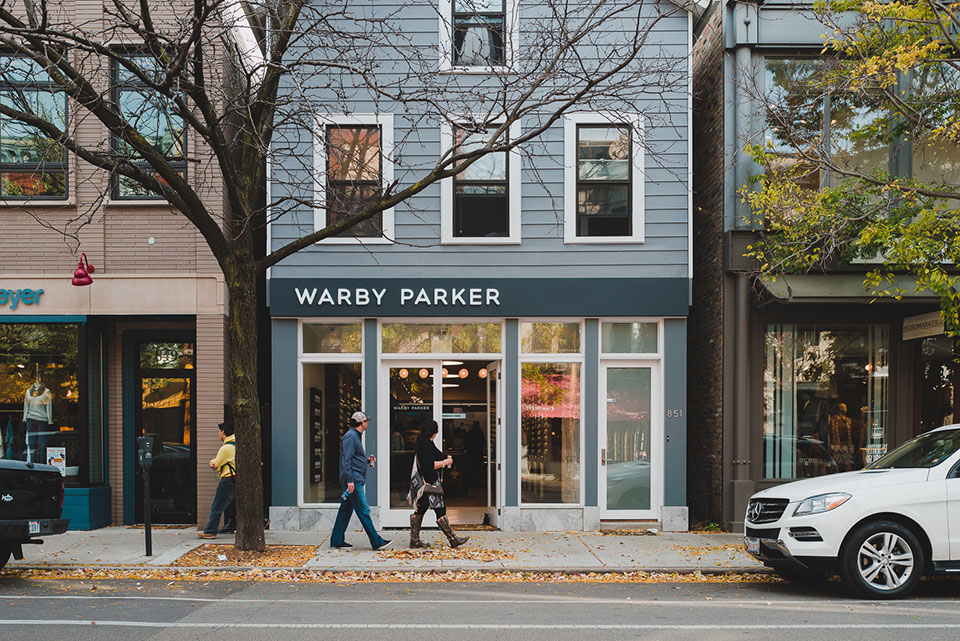
Halsted Street and Armitage Avenue are two of the neighborhood’s main corridors, and both are lined with independent restaurants, boutiques, and coffee shops. Alinea, the two-Michelin-star restaurant widely regarded as one of the best in the country, is located right in Lincoln Park on North Halsted. Beyond the well-known names, the day-to-day dining scene is strong at every price point. It would take a long time to work through everything worth trying. Few neighborhoods in Chicago can match this level of walkable culinary and retail access.Parks, Trails, and Lakefront
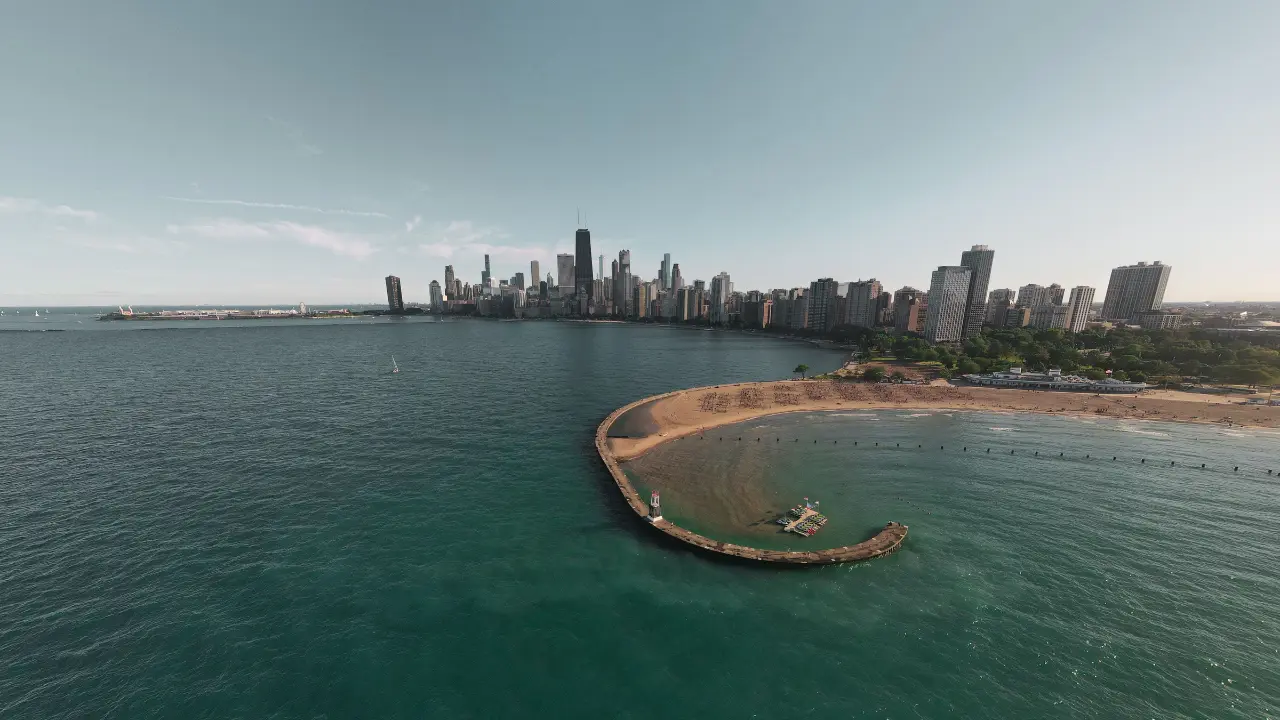
Access to the lakefront is one of the things buyers mention most when they talk about why they chose Lincoln Park. From most addresses, you can walk or bike to the water in just a few minutes. The tree-lined streets, neighborhood parks, and proximity to the main lakefront trail give the area a quality of life that is hard to put a number on. Whether you are running along the lake in the morning, playing tennis on a weekday afternoon, or just sitting by the water on a summer evening, Lincoln Park delivers that lifestyle consistently.Arts, Culture, and Nightlife
Steppenwolf Theatre has called Lincoln Park home for decades, and it remains one of the most respected theater companies in the country. The neighborhood also supports a wider arts and culture scene, with galleries, live music, and local venues that keep the calendar full without requiring a trip downtown. Productions at Steppenwolf sell out regularly, and there is genuinely something happening in Lincoln Park most nights of the week. Whether you have lived here for years or are just getting to know the neighborhood, there is always something worth exploring.Schools in Lincoln Park
Families buying in Lincoln Park consistently rank school access near the top of their list. The neighborhood is served by several well-regarded public and private institutions, and DePaul University calls Lincoln Park home as well. Strong schools, combined with everything else the neighborhood offers, make Lincoln Park one of the most sought-after destinations for buyers with families on Chicago’s North Side.Public Schools in Lincoln Park
Lincoln Park High School is the neighborhood’s public high school and one of the most recognized in Chicago. It offers both a neighborhood enrollment program for local residents and a selective International Baccalaureate program that draws students from across the city, making it an option at multiple academic levels. For elementary and middle school, the main zoned CPS school in Lincoln Park is Abraham Lincoln Elementary School at 615 W Kemper Place, which serves K–8 students and consistently performs well. Beyond the zoned school, Lincoln Park has several strong CPS options serving the area. LaSalle Language Academy on N Orleans Street is a popular dual-language immersion school. Oscar Mayer Elementary School on N Clifton Avenue and Prescott Elementary School on W Wrightwood Avenue are both magnet schools serving the neighborhood — Prescott with a particular focus on literature and writing. Alcott Elementary School on N Orchard Street is another neighborhood CPS school in the area, serving students from pre-K through 8th grade.Private Schools in Lincoln Park
Francis W. Parker School is one of the most well-known private schools in the city and sits right in Lincoln Park, serving students from kindergarten through 12th grade with a long reputation for academic strength and progressive education. Latin School of Chicago is a highly regarded independent college preparatory school on North Boulevard, serving students from junior kindergarten through 12th grade and drawing families from across the city. Saint Clement School is a Catholic K–8 school operated by the Archdiocese of Chicago, located near St. Clement Church on Orchard Street. Saint James Lutheran School offers K–8 education in the neighborhood as well. Together, these private schools give buyers with school-age children a meaningful range of options in and immediately around the Lincoln Park area.DePaul University
DePaul University anchors the southern end of Lincoln Park and is the largest Catholic university in the United States. Its Lincoln Park campus is a full residential university with undergraduate and graduate programs across a wide range of disciplines. The presence of DePaul shapes the energy of the surrounding blocks, contributing to the younger, more eclectic character of that part of the neighborhood. For buyers interested in the DePaul area specifically, the proximity to the university is a defining feature of the local environment.What to Know Before You Buy a Home in Lincoln Park