
If you buy a $1 million home in Chicago, you can expect to pay $10,500 to $13,500 in closing costs on top of your down payment, which is approximately 1% to 1.4% of the home’s purchase price. Sellers, on the other hand, pay a different set of closing costs, usually ranging from $10,000 to $11,000 before the real estate commission.
Closing costs can catch people off guard. You may save for months toward a down payment, only to learn that there’s another four to five figures due at the closing table. Chicago comes in below the national rule of thumb, which puts buyer closing costs at 2% to 5% of the purchase price. Illinois custom puts the state and county transfer taxes on the seller, along with the owner’s title insurance premium.
Closing costs vary based on several factors, with prepaids being the biggest differentiator. Your lender collects property taxes and insurance up front to fund your escrows, and the amount you pay depends on your closing date in the tax calendar.
Here’s what buyers and sellers each pay, and where you have room to negotiate.
Who Pays Closing Costs in Illinois?
Both sides pay closing costs in Illinois, and the state’s customs do not match a national guide.
Real estate transactions in Illinois involve attorneys for both buyers and sellers. Nearly every residential closing in Illinois has a lawyer on each side, handling everything from contract review to the recorded deed.
A Buyer and Seller Breakdown
Buyers pay the closing costs tied to the loan, including origination fees, appraisal, credit report fees, flood certification, lender’s title policy, and escrow deposits. Buyers also pay a larger portion of the Chicago transfer tax.
Sellers cover the Illinois and Cook County transfer taxes, CTA portion of the city transfer tax, owner’s title insurance policy, survey on a detached home, and title company’s closing fees.
All closing costs are negotiable, not set by law. A buyer can put in their purchase contract that they want the seller to pay some or all of their closing costs, and vice versa. Lenders limit how much they can contribute to the buyer. On a conventional loan for a primary residence, that’s 3% of the price above 90% LTV, 6% between 75% and 90%, and 9% at 75% or below. Investment property is 2%. The credit also cannot exceed the buyer’s actual closing costs, and it cannot be used toward the down payment.
When a buyer agrees to pay the seller’s closing costs, there is no cap. Those lender limits govern money flowing to the borrower, not from them. The buyer just needs documented funds for it, and it raises their cash to close.
The listing agent’s commission is not a closing cost. It comes out of the seller’s proceeds as its own line item.
Chicago Transfer Taxes, Layer by Layer
The Illinois State Transfer Tax
Illinois charges $0.50 per $500 of purchase price, paid by the seller. On a $1 million Chicago sale, that’s $1,000.
The Cook County Transfer Tax
Cook County adds a county transfer tax of $0.25 per $500, also on the seller. Same $1 million sale, another $500.
This tax applies only inside Cook County. More than 70 Illinois communities levy their own transfer taxes on top of the state and county layers, and in most of them the seller pays.
The City of Chicago Transfer Tax
The City of Chicago Transfer Tax is the big one at $5.25 per $500 of transfer price, split unevenly. Under the municipal code, the buyer pays $3.75 per $500, and the seller pays $1.50 per $500.
On a $1 million purchase, that’s $7,500 owed by the buyer and $3,000 owed by the seller.
The seller’s share funds the Chicago Transit Authority and applies to transfers taking place on or after April 1, 2008.
Using a closing costs calculator for a Chicago purchase can be misleading, as many apply the full $5.25 to one party and overstate your number by thousands. Municipal transfer taxes are often misunderstood by people.
A buyer 65 or older can apply for a refund of the CTA portion when the transfer price is $250,000 or less, and they occupy the property as their primary residence for at least a year after the transfer.
Common Closing Costs for Buyers

Lender Charges
Lender charges typically range from $2,000 to $4,000 on a financed Chicago home purchase. This includes loan origination fees, underwriting, appraisal, credit report fees, and flood certification.
You can negotiate these charges by shopping for a different lender. The appraisal itself costs between $350 and $500 on a Chicago condo and between $400 and $600 on a house.
Title Insurance and the Lender’s Policy
Two title policies are issued at a Chicago closing. The lender’s policy protects the bank’s stake in the property, and the buyer pays for it. On a $1 million purchase, budget around $600 for the lender’s policy.
Title insurance protects against ownership disputes, such as an old lien or an heir who was never accounted for. You pay the premium once, not part of your monthly payment.
Attorney Fees
In Illinois, you pay a flat fee for a real estate attorney, usually between $500 and $1,000. This covers everything from reading the contract to ensuring the deed gets recorded.
After the contract, you get five business days of attorney review. You cannot renegotiate the price or closing date, but nearly everything else is negotiable.
Government Fees and Recording
The Cook County Clerk charges $98 to record a standard document. Recording fees are set by state law and county ordinance.
Prepaid Interest and Escrows
Prepaid interest covers the days between your closing date and first mortgage payment. Closing on the 3rd day means you are prepaying most of a month, while closing on the 28th day means you are prepaying almost nothing.
Your lender collects several months of property taxes and insurance to fund your escrows. It is the least predictable line on the statement, and it can change without limit between the loan estimate and closing disclosure.
Which Fees Scale With the Purchase Price
Transfer taxes and title insurance scale directly with the loan amount and sale price. Closing costs shrink as a percentage of the purchase price as the price increases.
What Are the Typical Seller’s Closing Costs in Chicago?
A Chicago seller on a $1 million sale is looking at roughly $10,000 to $11,000 before commission.
Owner’s Title Insurance
The owner’s title insurance policy is a seller expense in Illinois, and it’s the largest line after transfer taxes. Owner’s title policies average $1,950 to $3,500, around $2,750 on a $500,000 home.
The policy protects the buyer’s ownership, even though the seller is usually the one writing the check for it.
Property Taxes and Tax Prorations
Illinois property taxes are paid in arrears. At closing, the seller owes the buyer a credit for the months they owned the home but haven’t been billed for yet.
In Cook County, the first installment lands in March at 55% of the prior year’s total, and the second installment later in the year reflects the actual bill.
Most Chicago contracts handle tax prorations at either 100% or 105% of the last known bill, with the 105% version assuming next year comes in higher. This choice is negotiable, and in a reassessment year, it’s worth real money.
Survey and Title Company Closing Fees
Sellers of detached homes typically pay for a new plat of survey, generally costing between $400 and $700.
The title company’s closing fees also fall to the seller in Illinois, totaling around $2,000 on a standard sale.
Extra Costs on a Chicago Condo Purchase
The association must produce a Section 22.1 disclosure under the Illinois Condominium Property Act, covering finances, reserves, pending litigation, capital expenditures, and unpaid assessments. The board has 30 days to comply with a written request. Management companies charge for resale packets, which can be substantial.
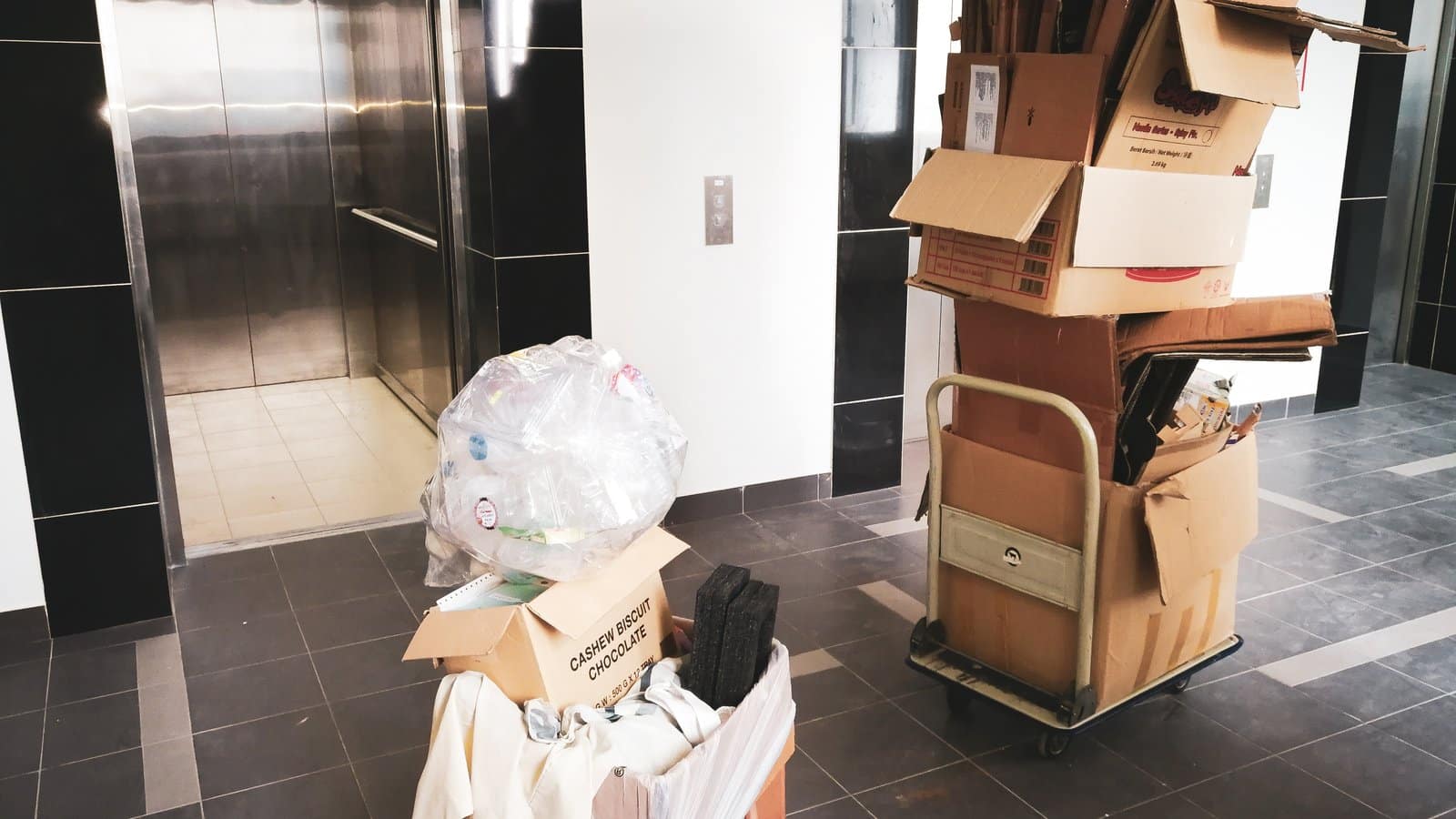
Then there are the building’s own charges. Chicago buildings charge move-in fees of $325 to $400, plus administrative fees in the same range, both non-refundable. Elevator deposits of $300 to $400 are usually refunded if nothing is damaged.
There is no citywide standard, so it is essential to get the fee schedule in writing before closing.
How to Read Your Closing Disclosure
Your lender must deliver the closing disclosure at least three business days before closing. Compare it line by line against the loan estimate. Some fees are fixed, while others can rise by up to 10%.
If something on the final closing disclosure does not match what you were told, raise it before closing. Once you sign, fixing it becomes much harder.
Ways to Lower Your Buyer Closing Costs
Ask for a Closing Cost Credit
A closing cost credit from the seller is the most direct tool. Negotiated concessions get written into the purchase contract, reducing your cash to close by that amount.
Seller concessions are capped by your loan program and cannot exceed actual closing costs. You have a better chance of getting closing costs covered if the property has been sitting on the market.
Shop More Than One Lender
Lender charges are the most negotiable piece of buyer closing costs. Research shows borrowers who obtained two quotes saved up to $600 a year, and those who obtained four or more quotes saved over $1,200 a year.
Some lenders offer a credit toward closing costs in exchange for a slightly higher interest rate. This trade works if cash is tight and you do not expect to keep the loan long.
Look Into Assistance Programs
The Illinois Housing Development Authority runs mortgage programs with up to $15,000 available in down payment and closing cost assistance. Income and purchase price limits apply, and you must use a participating lender. It is essential to ask about these programs before you are under contract, as it affects which lender you choose.
What to Expect on Closing Day

Buyers and sellers sign documents at a title company office while the funds move.
Ask your title company how they want the money. Cashier’s checks are still accepted at Illinois closings, though title companies generally will not take one above $50,000, so larger amounts go by wire transfer. If you are wiring, confirm the instructions by calling a number you already have, never a number that arrives in an email. Wire fraud at real estate closings is fairly common, and you will not get your money back.
Your out-of-pocket expenses at the closing table are the down payment plus closing costs, less your earnest money and any credits. Your attorney will send that figure a day or two ahead. Once the deed goes to the Cook County Clerk to officially record, the home is yours.
Get a Real Number Before You Write an Offer
Hayley Westhoff with The Westhoff Group works Chicago transactions every day and knows what these numbers look like on an actual contract. She will help you navigate the offer, the credits, and everything after. Reach out and let’s discuss what closing would really cost on the home of your dreams.