
When you buy a condo in Chicago, you are buying two things. One is the unit you walked through. The other is a share of the building and its finances. That second part is what catches people out.
This guide covers what Chicago condos cost, what your monthly fee actually pays for, the paperwork you are entitled to see before you close, and why your lender will look at the building as hard as it looks at you.
What a Chicago Condo Costs
In July 2026, the median condo in Chicago sold for $440,000. A detached house sold for $392,000.
That surprises people. In most of the United States, a condo is a cheaper purchase than a single-family home. That is the case across the wider Chicago metro area. Inside the city, it flips. You pay more for the condo. What you get for it is the location.
Across all types of homes, the city median was $425,000, up 13.3% in a year. Prices swing hard between Chicago neighborhoods. Treat any citywide number as a starting point, not a budget.
Two other costs catch buyers out. The first is your mortgage rate. Freddie Mac publishes a weekly average, but rates move constantly, so the only number that matters is the one your lender quotes you on the day you lock.
The second is Chicago’s transfer tax. The city charges $5.25 for every $500 of the price, and the buyer pays $3.75 of that. On a $400,000 condo, that is $3,000 due at closing. The seller covers the rest, along with smaller state and county charges.
Condo vs. Single Family Home in the Windy City
What you gain in the Windy City is location and a lot less maintenance. A condo will get you closer to transit and shops than you would be in a detached single-family home. If a roof leaks in a single-family home, it is yours and yours alone to fix. In a condo, you share that cost with everyone in your building.
You give up control when you buy a condo. The board sets the budget, and your share of it is not negotiable. The board also decides when the roof gets replaced and what the rules are on everything from your balcony to your dog. All of that was settled before you arrived, and changing it means getting enough of your neighbors to agree.
Parking is worth asking about. In most buildings, your space is attached to your unit rather than owned separately, but sometimes it is its own piece of property with its own tax bill. Ask how many tax IDs you are buying before you make an offer. Check whether that balcony is actually yours.
What You Pay Every Month

Your monthly assessment is not a flat fee the building picked. It is your share of the building’s annual budget. The split comes from how much of the building you own. That percentage was set when the building was created, and it is written into the declaration, the document that sets the whole condo up. Two units the same size can pay different amounts, simply because they were given different percentages.
What the fee covers changes from building to building. Heat, water, cable, a doorman, a gym. Some budgets include them, and some do not.
Fees usually run higher in a high-rise than in a small walk-up. That budget is paying for elevators and front desk staff that a three-flat doesn’t have.
Why the Building’s Savings Matter
Every condo building is supposed to be setting money aside for big repairs like a new roof or a boiler. That pot is called the reserve fund.
If there is enough in it, the building pays for the repair. If there is not, the owners get a bill. That bill is called a special assessment, and it can be very large.
Illinois law tells boards to keep reasonable reserves. They are supposed to account for what things cost to replace and how long they last. The same law lets some buildings vote to set that duty aside. So a building with almost nothing saved is breaking no rules. That is exactly why it is on you to look.
Fannie Mae currently wants to see at least 10% of the budget going into reserves. From January 2027 it wants 15%. A building that passes today might not pass by the time you sell.
The Paperwork You Get Before You Buy
Illinois gives you a right to see how the building is run. Ask in writing, and the association has 10 business days to hand it over. The fee is capped at $375 and creeps up each year with inflation. Another $100 gets it to you inside 72 hours.
Agents call it the 22.1 package. Here is what you get:
- The rules you will be living under
- Any money still owed on the unit you are buying
- Big repairs the building expects in the next couple of years
- How much is sitting in the reserve fund
- The building’s most recent financial statement
- Any lawsuits the building is caught up in
- What the building’s insurance actually covers
- Confirmation that work the last owner did was allowed
- Who to contact at the association
Read it the day it arrives. You then get 5 business days to walk away. Your attorney has a separate 5 business days after your offer is accepted to go through the contract itself, which is normal on both sides of an Illinois deal.
One more thing worth knowing. If the board confirmed a special assessment before your offer was accepted, the seller pays it, not you.
Surprise Repair Bills, and How to See Them Coming
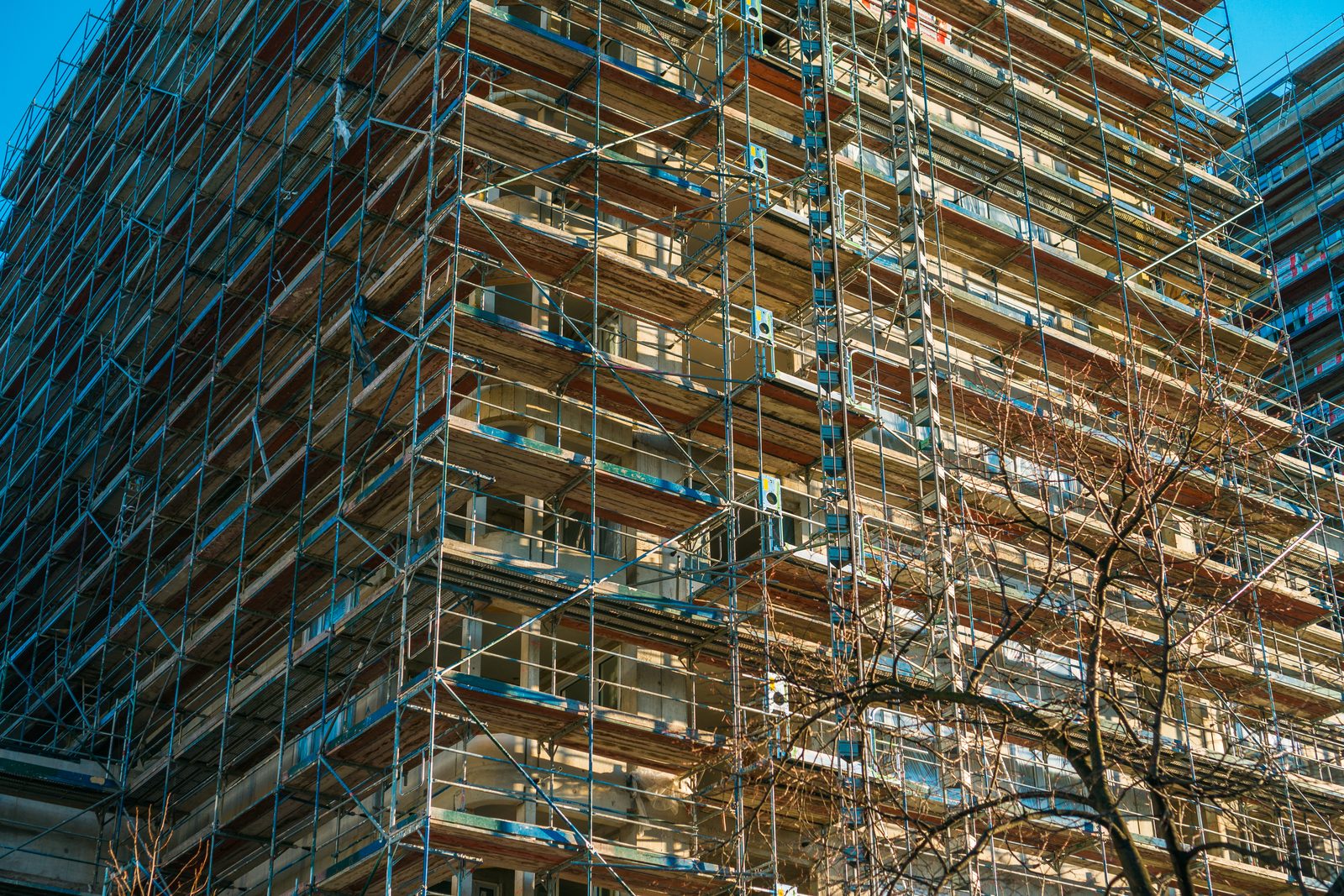
Owners have less say over a special assessment than they expect. If the board pushes the year’s total charges more than 15% above last year’s, owners can petition for a vote. Even then, it passes unless most owners turn out to vote it down. And if the repair counts as an emergency, meaning something that threatens the building or the people in it, the board skips the vote altogether. These bills are not small. One 280-unit Chicago high-rise was hit with a $12 million assessment to rebuild its brickwork.
You can usually see them coming, though. Chicago requires taller buildings to have their exterior walls inspected. The results get filed with the city. Ask the board for the most recent report. It tells you what the inspector found. Nothing else warns you this early.
Why Lenders Check the Building, Not Just You
You can have perfect credit and still lose the loan because of the building. Lenders turn a condo building down when:
- It needs repairs it has not funded, roughly more than $10,000 per unit inside a year
- More than 15% of owners are behind on their fees
- More than about a third of the building is shops or offices
- It is caught up in a lawsuit about the structure or whether the place is livable
A fight over unpaid fees does not count. Neither does a claim the insurer is handling.
A few rules changed in 2026, so a lot of the advice online is out of date. Fannie Mae and Freddie Mac both dropped their limits on how many units in an established building can be owned by investors. FHA still has one.
There is also a list. Fannie Mae keeps a record of buildings it will not lend on and does not publish it. A board can check if its own building is on the list for free, and you should ask them to if you are serious about a place.
Insurance is part of the same test now. If the building’s policy carries a high deductible, your own condo policy has to cover at least that much. The building’s deductible quietly becomes your bill.
Property Taxes on a Chicago Condo
Cook County works out condo taxes differently from house taxes. It values the whole building first, based on recent sales in it and nearby. Then it hands each unit a share of that value, using the same ownership percentage that sets your monthly fee. Your tax bill moves with the building, not just with your own unit.
A word on the tax bill, because it trips people up. Cook County runs a year behind, so what shows up this year is last year’s tax. You can work out the first installment yourself, it’s 55% of last year’s total, but the second waits on rates that get set later and it’s been arriving late. And if the condo is your main home, get the homeowner exemption applied.
Chicago was last reassessed in 2024. Residential values rose about 18% across the city. The next one is due in 2027.
Chicago High Rises in River North and Downtown

River North, Streeterville, the South Loop, and the West Loop are full of high-rises. The amenities behind those monthly fees are real. The trade-off is that big repairs in a tower are expensive. Replacing elevators, redoing the plumbing, fixing the exterior walls, repairing the garage. Those run into seven figures, and the cost is split between owners by ownership percentage.
One thing is specific to towers. Elsewhere in Illinois, 75% of owners can force the sale of a whole building. Chicago raised that to 85% inside the city. If one investor owns a large block of units, they control more of the vote.
Red Flags When Buying a Condo
Five things that should make you slow down:
- A reserve fund that looks small compared to the repairs the building says need to be done
- A lawsuit about the structure or whether the building is livable, which is the one that stops most mortgages
- A missing wall inspection report, or one saying repairs are needed
- A high deductible on the building’s insurance, because you will be covering it
- One owner holding a large block of units
Chicago Condo FAQs
1. Is It Worth Buying a Condo in Chicago?
Yes, if being in the city is the point. Just do not assume it is the cheaper option. Condos ran a median of $440,000 in mid-2026 against $392,000 for a house. Chicago-area condo values are up 32.5% over five years. Whether one specific condo is worth it comes down to that building’s finances more than to the market.
2. Is It Financially Smart to Buy a Condo?
It can be, as long as you budget for the monthly fee and look hard at the reserves. Two condos at the same price can cost very different amounts to own, because one building has saved for its repairs and the other has not.
3. What Are the Red Flags When Buying a Condo?
Thin reserves, a lawsuit about the structure, a missing wall inspection, a high insurance deductible, and one owner holding a lot of units. All of it shows up in the 22.1 package, or in a direct question to the management company.
4. Is It Hard to Sell a Condo in Chicago?
Not right now. Listings have been down sharply. The typical Chicago home goes under contract in about three weeks. The exception is a building lenders will not touch. Then your buyer needs cash or a bank willing to keep the loan on its own books, and that is a much smaller group of people.
Buying a Condo in Chicago? Talk to The Westhoff Group
Hayley Westhoff with The Westhoff Group works the Chicago condo market every day and knows which buildings are run well and which ones have a bill coming. She will help you read the association’s numbers and get the paperwork ordered on time. Reach out and let’s discuss your options.