


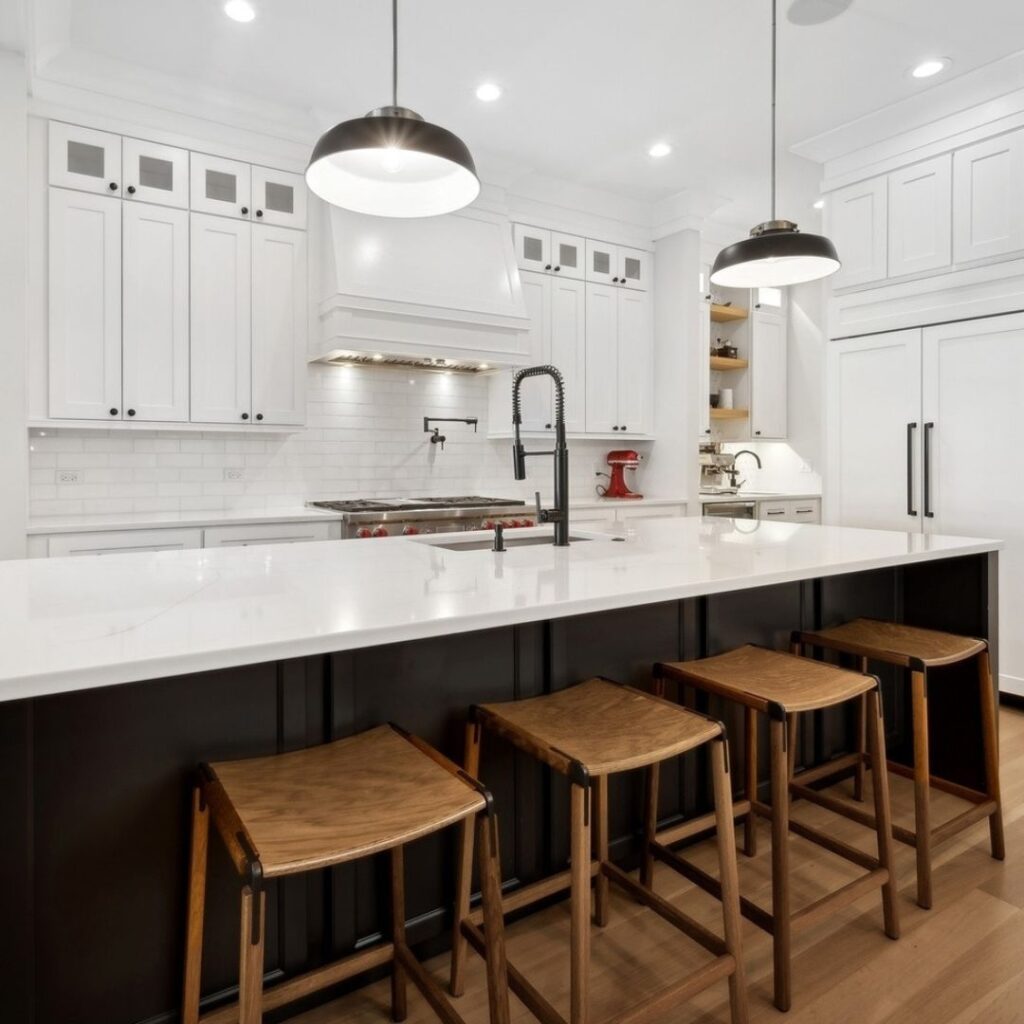
We’ve all heard the saying, love is blind, and it applies to more than just human relationships. It applies to homes as well! Many buyers walk into a beautifully staged home and feel a rush of excitement when they see the stunning herringbone backsplash, the beautiful marble countertops, and the polished hardwood flooring. They think to themselves: this could all be mine! It’s love at first sight, and they’ve completely ignored the bouquet of red flags on the kitchen table.
When you’re house hunting, making decisions based on emotions such as excitement is easy. But it’s important to look beyond the aesthetics to ensure you’re also making a wise investment. To help you make an educated and well-thought-out decision, here’s a guide for what to look for when you’re on the hunt for your new home:
Location, Location, Location!
Before stepping inside the home, survey its surroundings and neighborhood. Is it on a busy road or a quiet residential street? While accessibility to major highways could be necessary for your commute, a home right off them may become harder to sell or be noisy during rush hour. What is its proximity to schools, shopping, and parks? Are there nearby amenities you might enjoy?
Maintenance & Curb Appeal
How well did the seller maintain the property? Examine the landscaping; is it aesthetically pleasing and well-maintained? How about the roof, siding, and windows? If there are signs of neglect on the outside, chances are the home’s interior will show the same. Once inside, pay special attention to the windows for rot, broken seals, or signs of unevenness. These could be signs of poor installation or potentially bigger issues. Many times sellers won’t accommodate a window repair or replacement request because these were technically noticeable during the showing. Lastly, is the shower or bath missing caulk, or are there brown or black spots? If you see these things, you can imagine that the non-visible parts of the home will show similar signs of neglect.
Mechanics
As a future homeowner, you purchase more than the home’s aesthetics. You’re also buying the mechanics and the maintenance. It’s essential to know the ages of all mechanicals, appliances, windows, and roof. If these items are near the end of their life, you’ll pay for their replacement. Additionally, are the electrical systems and plumbing in working order? Outdated or faulty systems may lead to significant expenses in the future. For larger homes with multiple levels, make sure you understand the HVAC’s mechanics. Is there more than one AC condenser and furnace? Is it zoned? Is it adequate for heating and cooling the entire home?
Integrity of the Home
As you walk through the home, listen for creaky floors and imperfections such as unusual sloping. Floors often go unnoticed until the final walkthrough, when it’s too late. Look for cracks in the walls or any signs of water damage, such as stains on the ceilings, bubbling or unusual odors. These all might indicate a settling foundation, poor construction, or signs of flooding and water damage. Some sloping of floors and cracks in the walls and ceiling are normal, but a good agent will be able to tell you when to be concerned and when not to be!
Additions & Renovations
The property’s square footage might not consider any recent renovations -hence the higher ticket price. Were permits received? Did a licensed contractor perform the work? If you’re looking to renovate or expand in the future, make sure the property has the potential to accommodate these changes.
HOA
If there’s an HOA, you’re also buying the maintenance of the building’s exterior and common areas. Here are some questions you should ask to ensure the building is in a healthy and financially solid state:
What are the building’s reserves?
Are there any current or upcoming special assessments?
Are there upcoming projects, and how are they being funded?
What maintenance has been done to the exterior of the building, and when?
Familiarize yourself with the rules and regulations of the building and ask yourself if you’re comfortable with any of the restrictions.
Layout & Space
It might seem obvious, but the home’s flow should be conducive to your lifestyle. A beautifully staged home can oftentimes hide and conceal how each of the rooms are connected. Consider your needs for storage and make sure the cabinets and closets can accommodate your belongings.
Resale Value
Each one of these things also determines the home’s resale value. Your purchase must also be a strong investment that will appreciate over time. Even if you plan on making this property your “forever” home, it’s important to remember that life circumstances change, and a home with strong resale value will provide greater flexibility and mobility for your future.
All of these can be a little overwhelming and often take the fun out of the showing and process. However, if you have a realtor that is truly an expert that you trust implicitly, they will be on the lookout for and advise on all of the above so you can dream up each space and how you would use it! Your gut instincts are still important to lean into. If there are any red flags, ask yourself if these are things you can realistically and financially look past. If so, this home may be the one for you!
Written by Hayley Westhoff