


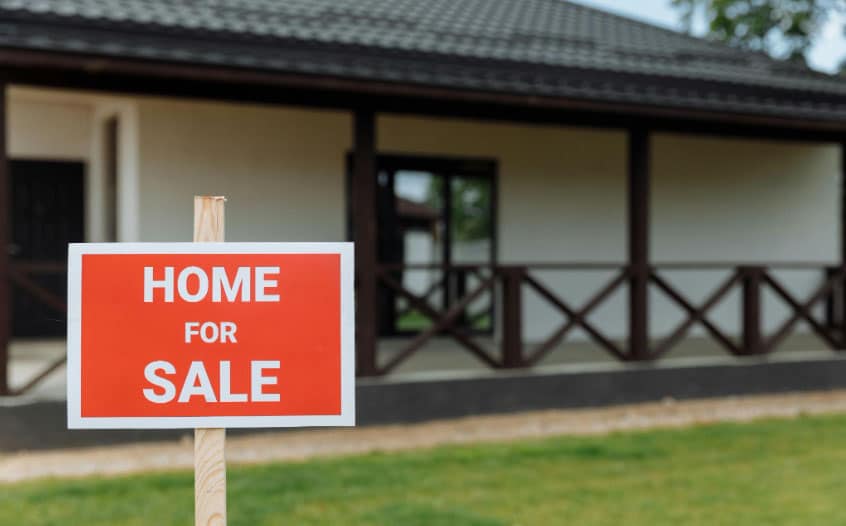
There’s some real estate drama unfolding behind the scenes, and it’s bigger than home prices. A battle over how homes get marketed is reshaping the industry, and Zillow has found itself right in the middle of it.
If you’ve ever bought or sold a home, chances are you’ve spent hours scrolling Zillow late at night. It’s become the default place for checking values, browsing homes, and keeping tabs on the market. But what most people don’t realize is that there’s an ongoing tug-of-war between Zillow, major brokerages, and the National Association of Realtors (NAR).
At the heart of it? Pocket listings.
So, what exactly is a pocket listing? It’s when a property is marketed privately, rather than being added right away to the MLS, where every buyer and agent can see it. Sellers might go this route because they want to quietly test a price, they value their privacy, or they’d rather limit showings to serious buyers in an agent’s network. For some, it feels safer to dip a toe in before diving in headfirst. For buyers, pocket listings can mean access to exclusive opportunities the general public never sees.
In 2020, the NAR introduced the Clear Cooperation Policy, which requires agents to put a property on the MLS within one business day of publicly marketing it. The goal was simple: increase transparency and make sure no group of buyers had an unfair advantage. Zillow embraced this wholeheartedly and has taken an even tougher stance, restricting private marketing even more. From their perspective, pocket listings chip away at fairness and don’t really serve sellers’ best interests.
But plenty of brokerages, including Compass, disagree. They argue that sellers should have the flexibility to choose how and when their home is marketed. Sometimes a brief private window is actually the smartest move—helping sellers test pricing, avoid wasted time, or build excitement before going live.
For sellers, this isn’t just industry chatter. The decision of how and where a home is marketed has a direct impact on the outcome. Broad exposure on the MLS means more eyeballs, more competition, and sometimes stronger offers, especially in multiple-offer situations. On the flip side, privacy and exclusivity can also be powerful. Some sellers prefer a quieter start—less market prep, fewer showings, and no open houses. In fact, buyers often pay more for the privilege of securing a property before it ever hits the public market. In a competitive city like Chicago, I’ve seen private listings attract multiple offers, fuel urgency, and still drive up prices. Sometimes I’ll launch a home privately to spread the word, then go public to widen the pool—getting the best of both worlds.
But here’s where Zillow throws in a curveball. They’ve taken the stance that if a listing stays private for more than 24 hours, it will be banned from Zillow once it does go live. Which means if you’re a buyer relying only on Zillow, you’re not just missing pocket listings—you’re also missing the “banned” properties that did eventually hit the market. Without an agent plugged into the local scene, you may not even know these homes existed until they’re already sold.
For buyers, the takeaway is simple: Zillow isn’t the whole picture. It’s one tool, not the tool.
Agents, meanwhile, are caught in the middle. On one side, Zillow and NAR push for strict transparency. On the other hand, clients want discretion or flexibility. The best agents are the ones who can navigate both worlds—advising sellers on whether a pocket strategy makes sense, staying compliant with MLS rules, and making sure buyers don’t miss hidden opportunities.
I’ve seen both approaches work in real life. One Lincoln Park seller tested pricing privately for a week, showed the home to a handful of buyers, and confirmed the list price was right. When the home went public, it drew multiple offers and sold above asking. Another Lakeviw seller skipped the MLS entirely and accepted a private offer from one buyer. They valued discretion more than exposure, and while it worked for them, critics argue they may have left money on the table.
So, what does all of this mean for you? It’s about more than Zillow versus brokerages—it’s about who controls real estate information and how much choice sellers and buyers really have. Should tech platforms dictate the rules? Should sellers be allowed to stay private if it works for them? And where’s the balance between transparency and strategy?
There’s no perfect answer, but one thing is clear: the way homes are marketed is changing fast. Sellers need to choose the approach that best matches their goals—whether that’s maximum exposure, exclusivity, or a little of both. Buyers need to realize that Zillow is only part of the puzzle, and working with a connected agent is the only way to see the whole board.
The so-called “War with Zillow” isn’t just industry noise. It affects how quickly buyers find homes, how widely sellers can market theirs, and whether pocket strategies will continue to exist. If you’re thinking about buying or selling, let’s talk through the options so you’re not leaving opportunities—or money—on the table.